
Article: The American Wolfdog – A Wild Spirit in a Dog's Body. Character, Requirements, and Controversy Surrounding the Breed
The American Wolfdog – A Wild Spirit in a Dog's Body. Character, Requirements, and Controversy Surrounding the Breed
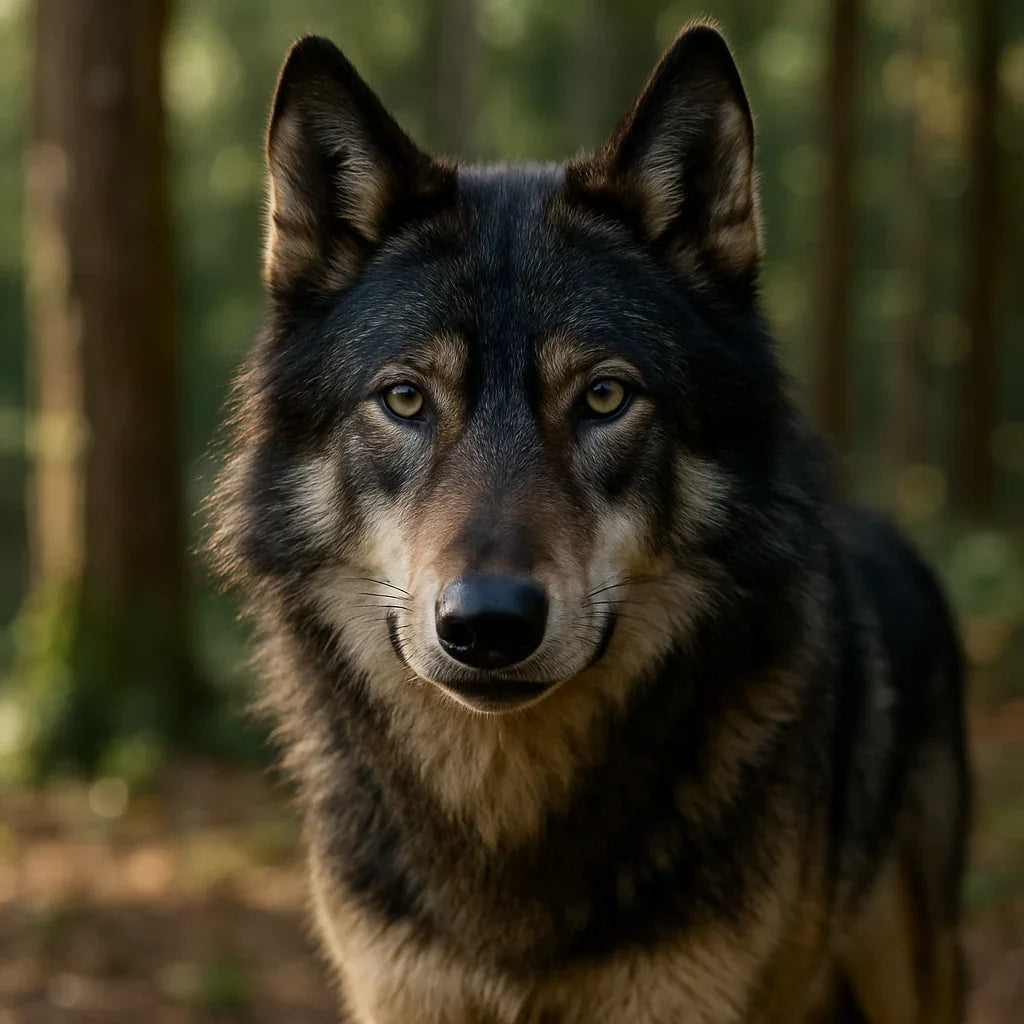
At first glance, it looks like a wolf – piercing amber eyes, gray fur, strong paws, and a slender build. But when you look closer, you'll see something familiar – a canine gaze brimming with loyalty, a bond with humans, and a willingness to cooperate. The American Wolfdog is a unique hybrid that combines the wild nature of a wolf with the characteristics of a domestic dog.
This unusual crossbreed is generating fascination and controversy worldwide. For some, it's a dream come true—the opportunity to commune with a creature that still carries within it an echo of the wild. For others, it's an unnecessary violation of nature, potentially leading to problems for both the animals and their owners. One thing is certain: the American Wolfdog leaves no one indifferent.
Imagine a dog that, while walking, attracts the attention of everyone passing by. Children whisper, "Mommy, look, it's a wolf!" while adults ask with a mixture of admiration and fear, "Is he dangerous?" The owner of such a dog must be prepared for constant attention, but also for hard work to control instincts you won't find in your average Labrador or spaniel.
In this article, we'll take a closer look at the history, appearance, personality, and requirements of the American Wolfdog. We'll explain why this hybrid can be so challenging to manage, the risks it carries, and who it can truly bring joy to. If you're considering adopting a Wolfdog or simply want to learn more about this enigmatic wolf-dog cross, you've come to the right place.
The History and Origin of the American Wolfdog
Although wolves and dogs share a common ancestor, they have followed different evolutionary paths for thousands of years. However, humans have repeatedly attempted to reunite them.
Wolf-dog hybrids – a fascination for centuries
Early cultures experimented with breeding wolves with dogs in the hope of producing a strong, loyal, and courageous animal. North American Indians believed that the wolf, as a spiritual guide, would bring courage and independence. In medieval Europe, there are records of attempts to crossbreed wolves with herding dogs to create animals with greater endurance and alertness.
The Birth of the American Wolfdog in the 20th Century
In the 20th century, this idea was revived in the United States, as breeders began to cross wolves with northern breeds such as the Siberian Husky , Alaskan Malamute , and German Shepherd . Initially, this was done for research and experimental purposes, later to create animals with an attractive, wolf-like appearance. In the 1960s and 1970s, the first lines of more intentionally bred American Wolfdogs appeared in the United States—some intended for nature parks, others for private individuals fascinated by the wolf's ferocity.
Differences in breeding lines
Some breeders focus on an almost 100% wolf-like appearance, while others strive to maintain a balance between wolf aesthetics and canine personality. Therefore, each American Wolfdog is unique – no two dogs are identical, and owners must be prepared for surprises. There are lines with a high wolf content (so-called high content), medium content (mid content), and low content (low content), which differ not only in appearance but also in temperament.
Controversy and popularization
In the 1980s and 1990s, the American Wolfdog gained popularity among exotic dog enthusiasts, but also faced criticism from animal rights organizations. Breeders were accused of irresponsibility and selling dogs to people unprepared for such a demanding companion. Consequently, many US states enacted laws restricting or banning wolfdog ownership.
American Wolfdog today
Today, American Wolfdogs are found primarily in the United States, Canada, and Western Europe, although they are also starting to attract interest in Poland. However, they are still not a recognized breed by the FCI, but a hybrid of great diversity, requiring extensive knowledge and commitment from a potential owner.


Appearance of the American Wolfdog – dog or wolf?
On a walk, it's impossible to ignore it. People stop and ask, "Is that a wolf?" —and it's no wonder.
Most important physical features
- Height at the withers: usually 65–90 cm, males may be taller.
- Body weight: 30–70 kg, depending on genetic composition and build.
- Build: slender, muscular, well-proportioned, with strong limbs and flexible movement reminiscent of a wolf.
- Head: elongated, with a delicate stop, slender and strong muzzle.
- Ears: medium size, erect, triangular, well set.
- Eyes: light – amber, yellow, light brown; with an intense, hypnotizing gaze.
- Coat: double, dense undercoat and rough topcoat; resistant to weather conditions, very intense shedding twice a year.
- Color: shades of gray, silver, white, brown, black, often with a characteristic mask on the muzzle.
- Tail: fluffy, proportional to the body, hanging when at rest, slightly raised when moving.
- Paws: strong, compact, with hard claws – adapted for running and digging.
Variability of appearance
The appearance of the American wolfdog depends on its "wolf content"—the percentage of wolf genes it contains. Individuals with a high wolf content are virtually indistinguishable from wild wolves—they have elongated muzzles, narrower chests, and longer limbs. Those with a lower content (low content) appear more "canine"—they have shorter muzzles, softer features, and sometimes a calmer gaze.
Comparison to the Czechoslovakian Wolfdog
It's worth noting that the American Wolfdog is often confused with the Czechoslovakian Wolfdog , a breed recognized by the FCI. The difference is that the Czechoslovakian Wolfdog is a domesticated breed with a specific standard, while the American Wolfdog is a hybrid in which the wolf gene component is still very significant and not always predictable.


The character and temperament of the American Wolfdog
Intelligence and independence
The American Wolfdog is exceptionally intelligent , but its intelligence differs from that of working dogs. This is not a dog that will blindly obey a command. It will consider whether it is worth it. Independence and stubbornness are traits inherited from its wolf ancestors.
Strong instincts
- Hunting instinct: small animals such as cats, birds or rodents may be in danger.
- Territorial instinct: the wolfdog can strongly defend its territory, although not always in a predictable way.
- Escape drive: great at jumping, digging holes, looking for gaps in the fence – property security is a priority.
Relationships with people
- It can be extremely attached to its guardian, even loyal.
- He is often distrustful of strangers.
- Requires very early socialization to avoid fearfulness or excessive aggression.
Myth or reality – aggression?
It's often said that American Wolfdogs are dangerous. The truth is more complex. They are unpredictable dogs, but well-socialized and raised, they don't necessarily have to be aggressive. The problem arises when they end up with inexperienced owners who don't understand their nature.
American Wolfdog and Everyday Life
Activity
This is not a dog for couch potato life. He needs:
- long walks,
- running,
- mental training,
- contact with nature.
Lack of stimulation leads to frustration and destructive behavior. The American Wolfdog thrives on tasks that require both physical and intellectual effort, such as pulling a sled, working in a sled team, or even trekking in the mountains.
Space
Wolfdogs thrive in a large, fenced-in area. Living in an apartment building can be a real ordeal for them. High fences are essential – these dogs can jump several meters and are surprisingly good at digging underground tunnels to escape. This means that a simple fence in the garden won't suffice.
Care
The coat requires regular brushing, especially during shedding season. On the plus side, a wolfdog rarely requires bathing because its coat is self-cleaning. However, it's important to remember to check its ears, teeth, and claws, as with any large dog.
Training and coaching
- Positive training is key – forceful methods will destroy your relationship with your dog.
- Training must be varied and interesting. Repeating commands monotonously will quickly bore him.
- A good solution are cynological sports – canicross, bikejoring, or even agility (for more balanced individuals).
- A wolfdog also needs clear rules and consequences. The handler must be calm but firm, otherwise the dog will take the initiative.
Everyday life with a wolfdog
Owners emphasize that daily life with a wolfdog requires constant vigilance. This is a dog that won't be satisfied with a short walk around the neighborhood. It needs challenges—otherwise, it will find them on its own, for example, by digging up the garden or demolishing the house. It's also important to remember that these are highly social animals—if isolated, they can become frustrated and unpredictable. They thrive when they have contact with other dogs and spend a lot of time with their humans.
American Wolfdog Health
Common health problems
- Hip and elbow dysplasia – as in Shepherds and Malamutes.
- Gastrointestinal problems – especially with an inappropriate diet.
- Eye diseases – may occur depending on genes.
- Skin allergies – especially with poorly selected food or hypersensitivity to food ingredients.
- Neurological problems – in some lines there have been cases of disorders resulting from uncontrolled crossbreeding.
Life expectancy
On average, they live 12–16 years, although with good care, they can live longer. Individuals with a low wolf blood ratio often enjoy better health and greater predictability of condition, while wolfdogs with a high percentage of wolf blood tend to be more resistant to disease but may have more difficult-to-diagnose behavioral and health problems.
Diet
A high-protein diet works best – owners often opt for a BARF (raw meat, bones, and offal) diet. It's worth remembering that not every wolfdog will accept dry food – many have a strong preference for a natural diet. Rotation diets based on game, lamb, or fish work well.
Prevention and veterinary care
- Regular joint examinations – X-rays of the hips and elbows should be performed every few years.
- Vaccinations and deworming – although the wolfdog seems to be more resistant than typical dogs, basic prevention is mandatory.
- Parasite Control – Due to our love of outdoor living and contact with nature, the risk of ticks and intestinal parasites is higher.
- Support from a behaviorist and veterinary specialist – owners often use specialist consultations to combine the physical health and mental well-being of their dog.


Education and responsibility of future caregivers
Before anyone decides to adopt an American Wolfdog, they should undergo a thorough education. This means not just reading a few articles online, but gaining practical knowledge in the following areas:
- behavior of dogs and wolves , to understand what mechanisms govern the behavior of the hybrid;
- training and socialization , preferably under the supervision of experienced trainers working with difficult dogs;
- legal provisions , which may differ significantly in different countries;
- veterinary care – not every veterinarian has experience in working with wolfdogs.
A conscientious owner is one who knows that an American Wolfdog isn't just beautiful, but also carries a huge responsibility. Neglecting socialization or inconsistent training can result in serious problems for both the dog and those around them.


American Wolfdog – for whom?
This isn't a dog for everyone. Its upbringing, management, and daily care require experience, patience, and a keen awareness of the hybrid's needs.
It will work if:
- you have experience with difficult breeds,
- you have a large area,
- you are consistent and patient,
- you have time for daily work and socialization,
- you want to invest in training and cooperation with specialists,
- you can provide your dog with plenty of human contact and mental stimulation.
It will not work if:
- you live in a block of flats,
- you expect an obedient family dog,
- you have small children or other small animals at home,
- you are not ready for the legal and logistical challenges,
- you have a limited amount of time and energy for intense walking and training.
For whom can a wolfdog be a dream come true?
For cynology enthusiasts, nature lovers, and those who desire a unique bond with an animal—provided they understand how demanding this relationship is. The American Wolfdog rewards with devotion, intelligence, and an exceptional character, but only when it meets the right person.
Why is this a bad choice for many?
Those looking for an "easy" dog that will quickly learn commands and be a hassle-free family companion may be sorely disappointed. A Wolfdog is not a typical family dog and is not suitable as a gift or a whim – it's a long-term decision that requires careful consideration.
Legal regulations and controversies
In many countries, owning American Wolfdogs is regulated or banned. The reason? Their unpredictable temperament and safety for humans.
In Poland, the situation is unclear – some hybrids are permitted, but it all depends on the degree of "wolf admixture." Before purchasing, it's worth checking the regulations and obtaining the appropriate permits.
Ethical aspect
Many experts emphasize that breeding American Wolfdogs is risky. These animals often end up in inappropriate homes, and their needs are often ignored. Therefore, before deciding to purchase a dog, it's worth asking yourself: "Can I truly meet the needs of such a unique dog?"
Price and breeding
The price of an American Wolfdog depends on:
- percentage of "wolf blood",
- reputation of the breeding farm,
- medical and genetic documentation.
It usually ranges from a few to several thousand zlotys .
When choosing a breeder, you should pay attention to:
- conditions for socialization of puppies,
- parents' health,
- the breeder's approach to ethics and animal welfare.
Adoption or purchase?
In the US, there are special organizations dedicated to rescuing and adopting wolfdogs that have ended up in shelters. In Poland, such cases are less common, but it's worth considering helping an existing dog instead of buying a puppy.
FAQ – Frequently asked questions about the American Wolfdog
Is an American Wolfdog suitable for apartment living?
No. It needs space and plenty of exercise.
Can he be left home alone?
Not for the long term. It gets boring quickly and destroys the environment.
Is this a family dog?
He can be loyal to his family, but is not an ideal choice for a home with small children.
Is the American Wolfdog recognized by the FCI?
No, it's not an officially recognized breed. It's a hybrid.
Does it require a special diet?
Yes. A high-protein diet, often BARF, works best.
What type of fence is suitable for a wolfdog?
High, solid, preferably at least 2.5 meters, with protection of the lower part against undermining.
Can you travel with a wolfdog?
Yes, but it requires experience. A wolfdog should be transported in a secure carrier or a special dog seat, and trips should be planned with its physical and mental needs in mind.
How to prepare your home for a wolfdog?
Proper fencing, protection of the interior from damage, and planning a resting area for the dog are essential. It's also important to provide appropriate mental and training toys.
Does a wolfdog get along well with other dogs?
They can, but it depends on the individual's socialization and personality. They often do better in the company of dogs of a similar size and temperament.
What are the monthly costs of maintaining a wolfdog?
On average, 500–1000 PLN per month, including high-quality food, supplements, veterinary care and accessories.
Will every vet treat a wolfdog?
Not always. Due to the specificity of the breed, it's worth finding a veterinarian with experience working with hybrid breeds or large working dogs.
📚 Additional materials
- How to Tell If Your Dog Is Bored: 10 Signs You Can't Ignore
-
TOP 10 Most Intelligent Dog Breeds – Which Ones Will Surprise You With Their Cleverness?
- 🏙️ Best dogs for apartments – breed ranking
- 💬 How Do Dogs Show Affection? Signals You Should Know
- 🐕 Is your dog pulling on the leash? Find out how to fix it.
- 🚗 How to safely transport a dog in a car?
- 🐾 How to teach your dog to stay home alone
- 🛏️ Can a dog sleep in bed with its owner? Facts, myths, and behavioral advice.
See more at: Petto.com.pl

 https://petto.com.pl
